How to Do More With Less: A Practical Guide

How do you do more with less?
Doing more with less starts with choosing what matters most, not squeezing every minute full. When you reduce unnecessary decisions, protect your attention, and use a few dependable tools, you can make meaningful progress without adding more to your plate.
Our team recommends starting with one outcome you want from the day. Then identify the smallest useful action that moves it forward. A clear next step is easier to begin than a long, vague to-do list.
What should you simplify first?
Look at your commitments before you reorganize your desk or download another app. Sort tasks by urgency and importance: handle important, time-sensitive work first; schedule important work that can wait; and consider delegating or dropping tasks that add little value.
Give yourself a realistic limit for the day. Three priorities may be plenty, especially if one requires sustained concentration. Leave room for routine responsibilities and interruptions rather than planning as though every hour will go perfectly.
How can you protect your time and attention?
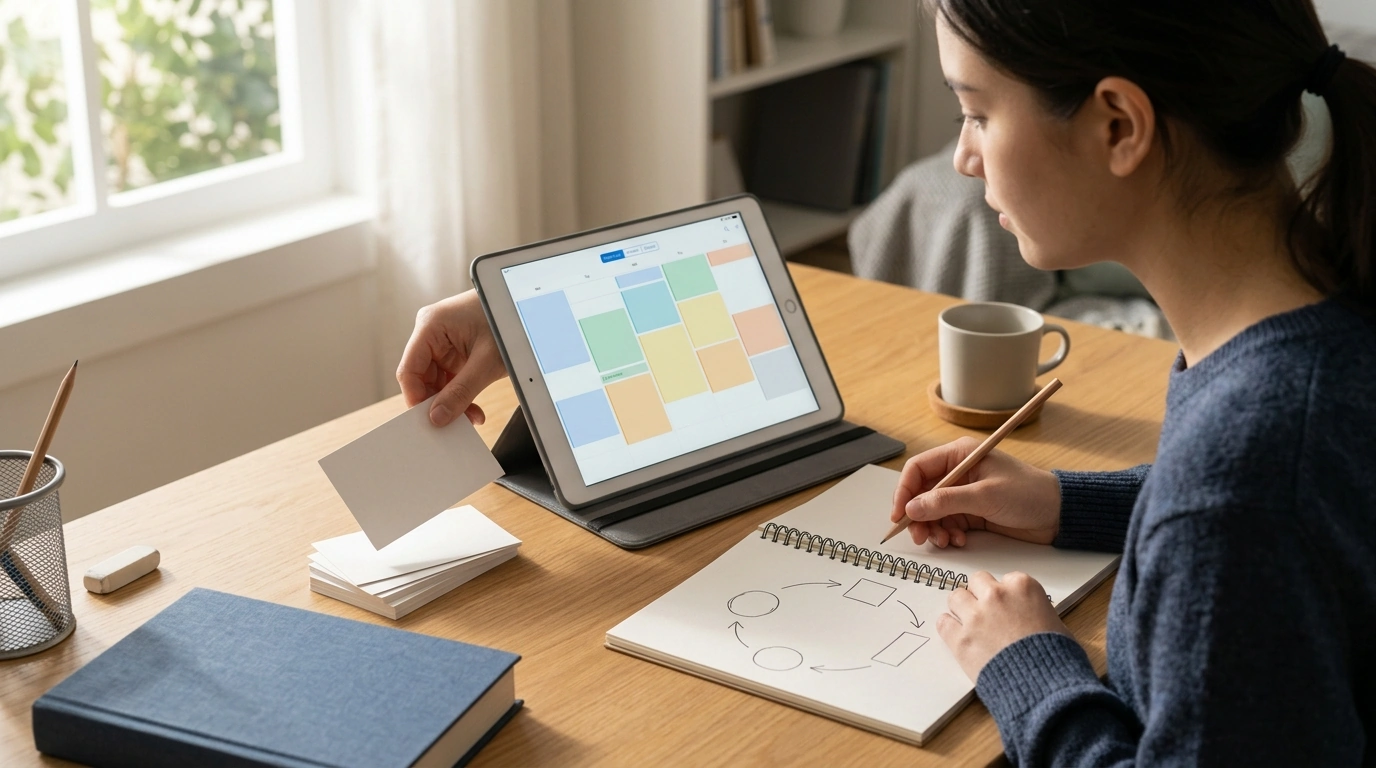
Put your priorities on your calendar as time blocks. Choose a specific start and end time, and keep the task visible so you know what belongs in that block. For focused work, try a Pomodoro session: work for 25 minutes, then take a short break. Adjust the intervals if a different rhythm fits the task better.
Reduce friction before you begin. Close unrelated tabs, silence nonessential notifications, and gather the materials you need. If a task still feels overwhelming, break it into a step you can finish in one session.
For a closer look at combining these methods, read our guide to owning your week with Pomodoro, the Eisenhower matrix, and time blocking.
Which tools help you keep things simple?
Choose tools that support your routine rather than creating another system to maintain. A notebook or simple planner can hold your priorities and appointments; a timer can help you start a focus session; and a small desk organizer can keep frequently used supplies within reach.
We suggest using what you already have first. Add a tool only when it solves a recurring problem, such as losing track of appointments or spending too long looking for supplies. At the end of the day, note what worked and choose tomorrow’s first step.
FAQ
How many priorities should you set for a day?
Start with up to three priorities, then adjust based on their size and the time you have available. Leave space for routine work and unexpected interruptions.











Leave a comment